Support inter-community peace-building, cohesion and rights advocacy
Support inter-community peace-building, cohesion and rights advocacy, funded by The Christensen Fund, is a project that is designed to promote sustainable peace, equitable natural resource management, and inclusive governance in Marsabit County.
The project addresses the intersection of environmental degradation, social inequality, and conflict through grassroots-driven solutions. HODI is working with local institutions, traditional leaders, and government agencies to ensure communities—especially women, youth, and people with disabilities—are at the heart of decisions affecting their lives and the environment.
The project started in 2024.
Project Goal
To support inter-community peace-building, cohesion and rights advocacy.
Project Outcomes
- Strengthened protection of the rights of women and other vulnerable members of the community.
- Peaceful coexistence and participation of all sectors of the community, particularly women and the youth, in decision making and peacebuilding processes enhanced..
What We Are Doing
- Environmental Protection and Natural Resource Management:
- Community sensitization on environmental by-laws, water catchment protection, and sustainable land use.
- Risk assessments and situational analyses in vulnerable areas such as Tesso and Somare to identify threats and inform local action plans.
- Rehabilitation and fencing of critical water sources to improve water security.
- Strengthening Grassroots Institutions:
- Training of DRR, rangeland, water, and environmental committees on by-law enforcement, climate adaptation, and collaborative planning.
- Women’s Rights and Leadership:
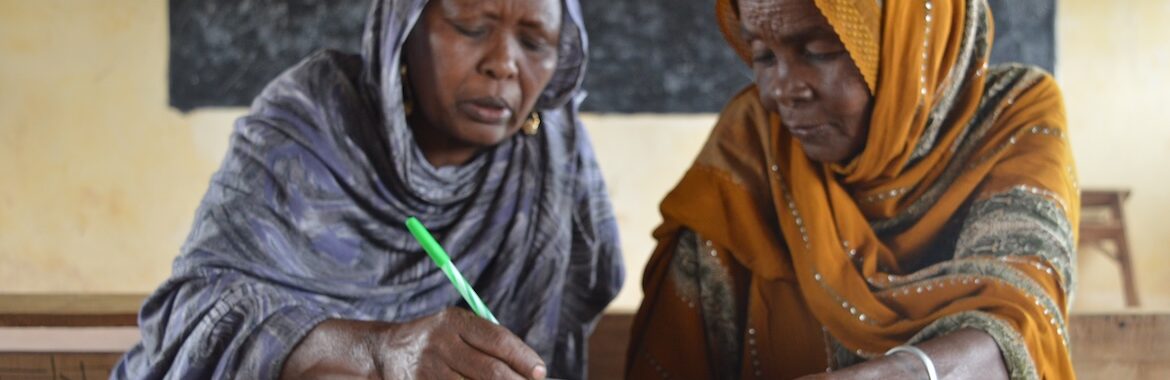
- Capacity-building workshops for women leaders on human rights, advocacy, and transformative leadership.
- Documentation and storytelling of women’s contributions to environmental protection and peacebuilding.
- Collaboration with local media to raise awareness on gender equality and community leadership.
- Peacebuilding and Indigenous Knowledge:
- Dialogue forums between elders, chiefs, youth leaders, and formal institutions to address root causes of conflict.
- Advocacy and Policy Engagement:
- Community meetings with policymakers to integrate indigenous voices into land and natural resource policy.
- Collaboration with national and county governments on climate change strategies, anticipatory action, and disaster risk mitigation.
- Participation in the Moyale Climate Change Hub to align NGO, government, and cross-border efforts.
Key Results to Date
🌱 Strengthening Environmental Governance & Resource Management
- 130 people trained on environmental by-law enforcement, water catchment protection, and land rehabilitation.
- Local action plans developed in areas such as Tesso and Somare for resource mapping, water pan rehabilitation, and fencing of critical water points.
- Fruit trees planted during World Environment Day 2025 to improve community climate resilience.
👥 Inclusive Leadership & Rights Advocacy
- 130+ participants (chiefs, youth leaders, committee members) trained in human rights, gender, advocacy, and transformative leadership.
- Empowered women leaders featured in community storytelling and media outreach, enhancing visibility of women’s roles in environmental and peace efforts.
🏛️ Institutional Strengthening & Policy Engagement
- DRR, rangeland, environmental, and water committees strengthened via capacity-building in by-law enforcement, climate adaptation, and joint planning.
- Communities engaged effectively with policymakers and county technical teams, advocating for local environmental and rights-based priorities.
- Active participation in the Moyale Climate Change Hub, enhancing NGO–government coordination.